
Introduction
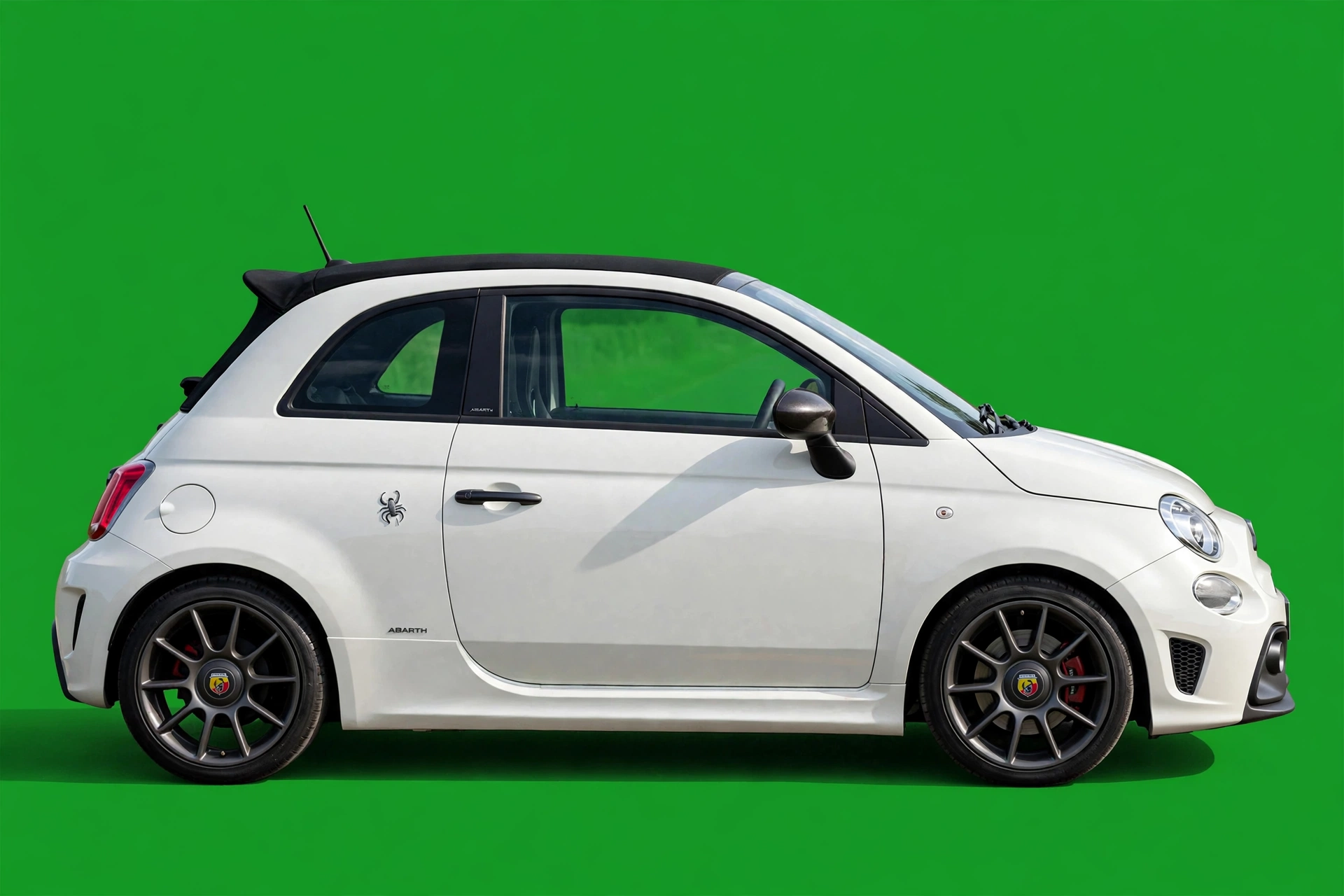
Unveiled at the 2010 Geneva Motor Show, the Abarth 500C is the open-top version of the Abarth 500, a small front-wheel-drive convertible with a 1.4-litre turbocharged T-Jet engine producing 135 hp, or 140 hp with the MTA automated manual gearbox. It keeps the hatchback’s cheeky character and adds a power-retractable canvas roof that slides back while the car’s pillars and side windows stay in place. Like every Abarth, the 500C depends on the correct wheels for more than looks. The right fitment affects handling, braking, ride comfort, and safety, because the wrong wheels can spoil the sharp steering that makes this little convertible so much fun to drive.
The particular wheel fitment needs for the Abarth 500C are investigated in this guide. This guide provides all the information, including offset ranges, bolt patterns, hub bore diameters, and wheel size recommendations, whether you are replacing a damaged factory wheel or choosing aftermarket wheels for a sportier look. We also have advice on aftermarket wheels to enable you to acquire the ideal fit without sacrificing ride comfort or performance.
From its canvas roof to its compact footprint, the Abarth 500C has a simple fitment story: one generation, one bolt pattern, and two factory wheel sizes. This content will enable you to boldly negotiate the details and avoid the most common fitment mistakes.
Whether your update is for performance or style, this guide will be your reliable source for Abarth 500C wheel fitment. Let us now address the particular requirements of the car, beginning with its only generation so far.
First Generation (500C: 2010–2014)
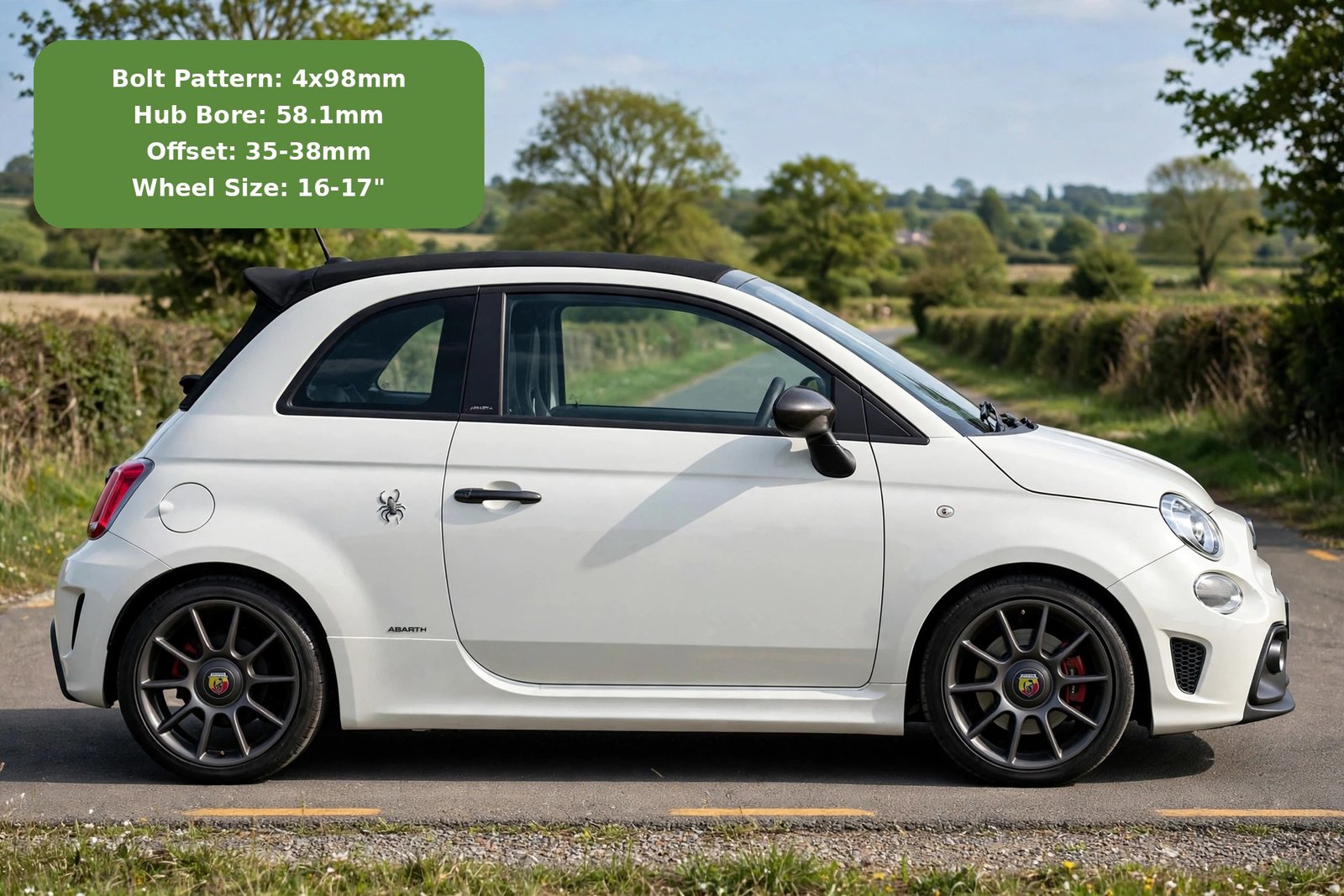
Made from 2010 to 2014, the 500C brought Abarth drivers an open-top hot hatch with the same small footprint as the petrol Abarth 500. Depending on the trim level, stock wheel sizes are 16×6.5 inches or 17×7 inches. These wheels had an offset ranging from 35mm to 38mm, providing stability and clearance in harmony. As many Fiat small cars have, the 500C had a 4x98mm bolt pattern, which is also found on the Fiat 500 and the Abarth 500 hatchback. Measuring 58.1 mm, its hub bore guaranteed fit for a variety of aftermarket wheels meant for Fiat small cars. M12x1.25 was the lug bolt thread size. The factory tire sizes are 195/45 R16 on the 16-inch wheels and 205/40 R17 on the 17-inch wheels, and the recommended cold tire pressure is 2.2 bar front and 2.0 bar rear at normal load. The 500C can easily fit wheels from 16 inches to 18 inches for those looking for aftermarket wheels without major adjustments. Stated configurations should, however, keep a close rolling diameter to prevent interfering with the ABS and traction control systems.
| Model | Bolt Pattern | Hub Bore | Offset | OEM Wheel | Aftermarket Wheel |
|---|---|---|---|---|---|
| 2010 Abarth 500C | 4x98mm | 58.1mm | 35–38mm | 16–17 Inch | 16″ to 18″ |
| 2011 Abarth 500C | 4x98mm | 58.1mm | 35–38mm | 16–17 Inch | 16″ to 18″ |
| 2012 Abarth 500C | 4x98mm | 58.1mm | 35–38mm | 16–17 Inch | 16″ to 18″ |
| 2013 Abarth 500C | 4x98mm | 58.1mm | 35–38mm | 16–17 Inch | 16″ to 18″ |
| 2014 Abarth 500C | 4x98mm | 58.1mm | 35–38mm | 16–17 Inch | 16″ to 18″ |
On aftermarket wheels, fans sometimes choose a 17-inch wheel with the 205/40 R17 tire for a sharper look and firmer handling, or stay with the 16-inch setup for a little more comfort on rough roads. An 18-inch wheel is also possible within the same fitment box, but it needs a low-profile tire that keeps the rolling diameter close to factory, or the speedometer and ABS will read incorrectly. Always confirm clearance, particularly if you are switching to bigger brakes, and match all four tires by make, type, and size.
Special Considerations
Although the 500C allows several wheel choices, make sure your selected wheels and tires fit the factory suspension. The Abarth’s stiffer suspension and larger brakes do not change the wheel hub geometry, so the fitment box is shared with the Fiat 500 platform, but lowering springs or coilovers could call for changes to stop rubbing. The convertible body also carries extra reinforcement around the roof pillars, so keep the suspension geometry correct and have the alignment checked after any wheel change. After any wheel modification, alignments should also be reviewed to preserve the best handling. Check the tire placard on the driver’s-door jamb for your exact car, because tire pressure can differ by market and load, and confirm the TPMS sensors are fitted and working if your car has them.
General Tips for Abarth 500C Wheel Fitment
A good fit with the Abarth 500C depends on knowing bolt patterns and offsets when choosing wheels. The 500C has a 4x98mm bolt pattern, hence the wheels have four bolt holes set in a circle with a 98 mm diameter. This is the Fiat small-car standard, hence finding suitable aftermarket wheels is simpler if you search by this pattern rather than by model name alone.
A wheel’s offset sets its distance from the hub of the vehicle. Positive offsets, that is, 35mm to 38mm, found on the 500C suggest that the wheel mounting surface is nearer the outside of the wheel. Most factory wheels sit at ET35, while some genuine 17-inch Abarth wheels are stamped ET38, so both ends of the range are correct depending on the wheel. Selecting an offset outside the advised range could cause problems including rubbing against suspension parts or stretching too far past the fender.
Check the hub bore size always as well. With 58.1 mm as the 500C standard, the hub will fit snugly without requiring centering rings. Hub-centric rings can aid in keeping stability if utilizing larger bore wheels.
Common Fitment Issues
One of the most often occurring problems when switching to bigger wheels or reduced offsets is rubbing. Think about the following to help avoid this:
- As you upsize, keep a similar rolling diameter to avoid ABS faults and speedometer mistakes.
- Wheel spacers should be used carefully since they change the offset and stress the hub bears.
- Make sure, particularly on cars with bigger brakes, aftermarket wheels clear the brake calipers.
Conclusion
Selecting appropriate wheels for your Abarth 500C is about maintaining the performance and safety integrity of your car, not only about appearance. Knowing specifics like wheel diameters, offsets, bolt patterns, and hub bores guarantees a flawless fit whether you drive a 2010 launch car or a final 2014 model.
With advice for both OEM replacements and aftermarket enhancements, this guide has led you through the fitment of the 500C’s single generation. Remember how your wheel selection affects general ride quality, brake clearance, and suspension geometry. See a wheel fitment specialist in doubt to identify the ideal fit for your requirements.
Your Abarth 500C is deserving of the best; you may improve its appearance, feel, and performance with the correct wheels. Having all the information now, it’s time to make a wise choice and get your 500C the upgrade it deserves!

Ryan Mitchell is a wheel and tire fitment specialist with over 10 years of hands-on experience in the automotive aftermarket. He has helped thousands of drivers find the right wheels, tires, and offsets for their vehicles, and writes in-depth fitment guides covering bolt patterns, hub bores, OEM wheel sizes, and tire specifications for every major make and model.